Get Active: volunteer, experience, connect with the natural world

 
Get Active: volunteer, experience, connect with the natural world and put animal magic into your life! 

 RSS Feed

  1.  

    Well, it’s that time of year again for everyone who wants to get involved in a nature project – today (18th July) sees the launch of the 2025 Big Butterfly Count!  (It finishes on 10th August 2025.)

    It’s the biggest survey of butterflies in the world.

    For butterflies matter.   They are pollinators and components of the food chain, but their numbers have really dropped since the 1970s.  This decline is an early warning for other losses of wildlife because butterflies react really quickly to changes in their environment.  If their numbers drop, we are in trouble. 

    So please help Butterfly Conservation help butterflies and nature and us, and take part in the Big Butterfly Count 2025! 

    Help change the fortunes of butterflies!

    The results of the Big Butterfly Count 2024 led the charity Butterfly Conservation to declare a butterfly emergency.  The charity need your help more than ever before, so please take part in this UK wide survey and help assess the health of our environment - just by counting butterflies.

    Taking part is a really easy and helpful thing to do.   And it only takes 15 minutes of your time!

     How to take part in the Big Butterfly Count 2025

    1. Download the butterfly ID chart or free app for iOS and Android to identify and record the butterflies you see!
    2. Choose a place to watch butterflies and moths for 15 minutes between 18th July and 10th August. 
    3. Record how many & what species you see - you can add your counts here on the website or the app

    Flutter off to the Big Butterfly Count’s website here.

    The website tells you all you need to know! 

    And you can do more than that!  You can do something for butterflies and moths in your garden, on your balcony or patio - and Butterfly Conservation want to create 100,000 wild spaces by 2026 to help improve things for butterflies and moths.   It doesn't take a lot to do:  you can create your own wild space and add it to Butterfly Conservation's map!  Please go to the website here and create your own wild space!  


  2.  

    Go 30 Days Wild this June!

    Every year, the Wildlife Trusts in the UK all have an event called 30 Days Wild.

    The Trusts are a network of 46 charities, all independent, and they manage nature reserves, run campaigns, and have lots of activities and events to enable people like you and me to connect with wildlife.

    The Trusts go from Alderney in the Channel Islands right up to Scotland, from the South and West coast of Wales to Norfolk, and Cornwall up to Northumberland.   They do lots of amazing work   You can find your local Wildlife Trust here. 


    The Wildlife Trusts want to help us all embrace nature in all her glory and really get connected with it.  The idea is that for 30 days, we all do one wild thing every day.   You can sign up for a free pack (you are asked if you want to make a donation of £5 towards it to help with costs, but this isn’t essential) and you’ll get lots of ideas of things you can do during the 30 days when you go wild.  It’s a great way to discover more about nature and the natural world, too.    For instance you could:

    • Plant wildflowers for bees
    • Listen to bird song
    • Watch the stars at night
    • Draw a wild animal such as a hedgehog
    • Hug a tree

    They’ve got lots of ideas, and you can sign up to receive free goodies in the post and also emails each day with facts and activities to help you achieve your 30 Days Wild! 

    If you’re taking part with children, perhaps as a family or a group or school, choose the children’s option when you sign up.  Signing up is free to do, by the way 😊


    You could help wildlife as part of the activities..


    You could also join in on Facebook – there’s a 30 Days Wild group – or Instagram, and there’s a chart you can download and pin up which is full of ideas of things to do which follow these four phrases.

    And you could share your activities on social media to encourage others to have a go and feel the benefits of connecting with our natural world.

    Making social media connections...

    #30DaysWild  @30DaysWild (Facebook and X), or The Wildlife Trusts (@thewildlifetrusts) • Instagram photos and videos

    Visit the Wildlife Trusts here.

    Sign up for 30 Days Wild here.


    PS If you miss the start date, no matter - just count 30 days from the day you do start!


  3.  

    There was a baby bear experience available in Kent at the Wildwood Trust but Boki has grown up now, so this is no longer available.  However - you can still have a bear experience at the Wildwood Trust's Kent site - find out more about it here!

    Boki has made a good recovery after brain surgery

    Unfortunately, poor Boki wasn't very well last year and he was the first bear in the UK to have an MRI scan (at Fitzpatrick Referrals).  On Wednesday 9th October 2024, he had brain surgery with Romain Pizzi, a world leader in his field.  We wish Boki and the team well, and thank the team and everyone for their care of Boki.  He came through the surgery well, and after a good sleep over the winter, he's woken up and is ready for 2025!

    Boki's fame has crossed the Atlantic to the US!  The Daily Guardian made this lovely video about him and it's on You Tube!


    Urgent Appeal to help two bears! 

    The Wildwood Trust is looking to help two other bears, Malenky & Nanuq.  The two cubs desperately need a new home.  Their mother was rescued from Ukraine, where she had been on the front line, trapped by troops who were advancing, and bombing.  The conflict moved east, and rescue teams were able to get in and take the mother bear to Poland and then Belgium.  There, she gave birth to two cubs - and these two loveable bears now need a new home.  


    Malenky & Nanuq need a new home!

    The Trust wants to raise sufficient funds - £75,000 - to move the cubs to Wildwood Devon, where they can live with bears Mish and Lucy.  Please find out more and donate here. 

    Notes from the earlier blog:

    The Wildwood Trust is based in Kent (and Devon, but Boki is in Kent).  The Kent site is home to over 200 native animals, past and present, with bears, wolves, bison, deer, owls, foxes, red squirrels, wild boar, lynx, wild horses, badgers and beavers among those living in the 40 acres there.  

    Wildwood Trust is dedicated to saving Britain’s most threatened wildlife, and it's taken part in many conservation initiatives, such as saving the water vole and using wild horses to help restore nature reserves.  It's brought the Euroepan beaver back to Kent and brought the hazel dormouse & red squirrel back to areas where they have been made extinct.

    And one of those living at the Wildwood Trust in Kent is Boki!  He came to the Wildwood Trust as a baby bear whose family sadly rejected him.  He was hand-reared by the team at Port Lympne and now Boki has come home to Wildwood Kent.  He's joined two other bears, Fluff and Scruff, 

    Please note Wildwood Kent's "Things you need to know before you book" before you book.

    Visit the Wildwood Trust here.

    Images © Wildwood Trust


  4.  

    Are you fascinated by animal poo?

    Head off to Chester Zoo!


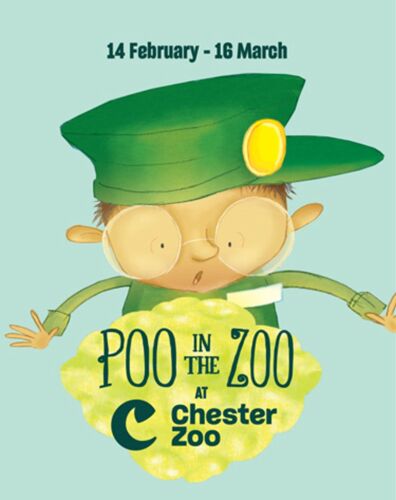
    From Friday 14th February to Sunday 16th March, from 10am to 4:30pm, you can enjoy a "poo-pendous adventure!"

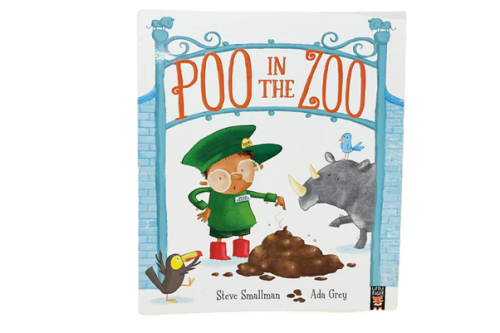
    The event has been inspired by Steve Smallman and Ada Grey’s hilarious and educational children’s book, and Chester Zoo say it's ideal for families looking to make the most of half-term.  And it's free with your admission or membership!

    Poo in the Zoo was  written by Steve Smallman and illustrated by Ada Grey
    Poo in the Zoo was  written by Steve Smallman and illustrated by Ada Grey
    You can find out about it here, buy a copy and support Chester Zoo!

    This is a great chance to find out which animal's poo sparkles, to discover the minute world of bumblee droppings, and to find out the surprising ways that poo helps wildlife survive and thrive! 

    There's plenty going on!  With interactive games and demonstrations, there’s something for everyone to enjoy.  You can find out what's going on here.  (You need to scroll down the page when you click through.) 

    Find out more and book from Chester Zoo
    Find out more and book from Chester Zoo

  5.  

    Calling all cat owners!

    We all know that cats have minds of their own - perhaps no more so than when it's necessary to have a pill.   And those wonderful people at Cats Protection have kindly produced a video which could help.   They have advice as well on their website - pounce on it here!


    The video covers preparing to give your cat a pill, what is the required dose?  Should the medication be given with food - and can it be added to food.  

    Find out more from Cats Protection.

    They've also got lots of advice and information you can have a look at covering all sorts of areas of cat care and ownership.   Take a look here.

    They've also got free online courses called Understanding Cats' Needs and Interactive House Plan.   You can do them any time online, and do them in one go or in chunks.  The Understanding Cats' Needs course is based on a course which is given to Cats Protection staff and volunteers - and it's suited to adults and older children who are interested in cat care.  

    There are lots of ways to help cats with Cats Protection so find out about volunteering here - there are volunteer roles in their shops, their cat centres and their branches and you could also foster!  Help cats in need - check out the Support Us pages here.  


  6.  


    If you want to know what animal a poo belongs to, you could take a look at this video from the Wildlife Trusts.  

    There are 46 Wildlife Trusts in the UK, from Scotland to Alderney and North Wales to Norfolk, Cornwall to Cumbria.  They are all working hard to bring wildlife back, and to empower people to take action for nature.   You can find your nearest Wildlife Trust here. 

    The Trust explains that signs animals are in an area can be a good start to discovering who has been visiting. 

    Ecologistsi rely on animal signs - they help them understand the behaviour of many animals, and gives them an idea of the numbers in an area.   It all helps to build up a picture of what animals are where.


    There's more information about animal poo here.


  7.  

    I was on the RSPB's website this morning and they have some very helpful information about wildlife detecting and identifying tracks and signs.   You can become a nature detective, and work out who is living in your area!

    The RSPB has an activity for you whether you're in school or as a family, with an activity sheet for you to download.

    And they tell you how to make an animal tracker, so that you can see who's been out and about at night.  You can make a cast of the animal prints you find in your garden, and the RSPB tell you what footprints look like for animals such as the fox and hedgehog. 

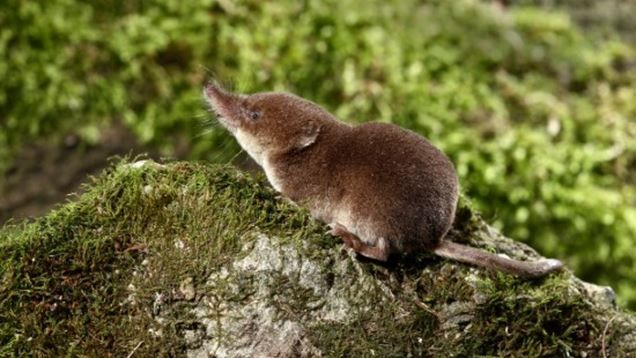
    Whose poo is it?  Find out if it was the shrew!
    Whose been visiting your garden?  Find out if it was the shrew!
    Image ©RSPB

    They've got lots of activities for you to help nature and wildlife, by the way, such as creating nature highways and byways, digging a ditch for garden biodiversity, how to grow sunflowers, how to make a bird bath and make a hedgehog cafe.   Find out more here.

    Head to the RSPB's here.

    The Mammal Society also has pictures of poo, so that you can work out whoose poo is whoose.   Visit their website here and take a look. 

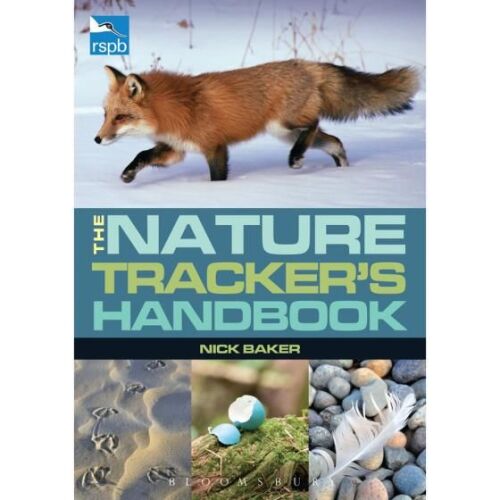
     The Nature Tracker's Handbook is available from the RSPB's Shop
    The Nature Tracker's Handbook is available from the RSPB's Shop.
    It has extensive photography and detailed diagrams to 
    help you find and interpret the evidence the animals leavel in their wake.
    £14.99 from the RSPB Shop.
    You can get the Poo Bingo for Kids from the National Trust for Scotland's shop
    You can get the Poo Bingo for Kids
    from Hive.co.uk for £16.49
    Featuring 24 animals and their uniquely shaped poos!

    PS Please don't forget to put water out for wildlife - they need water, just as we do.    We need to look after them.


    For dog owners, 
    Earth Rated Dog Poo Bags, Guaranteed Leak Proof and Extra Thick Waste Bag Refill Rolls For Dogs, Lavender Scented, 270 Count, are available from Amazon


  8.  

    Looking for something fun to do to get away from the Christmas rush?

    Take a look at the Wildlife Trusts!   Their 12 Days Wild starts on the 25th December – yes, Christmas Day – getting out for a walk could be a start, or gazing at the clouds or stars in the sky could be something else to do if it’s pouring with rain. 

    12 Day Wild is a festive nature challenge and the idea is that from the 25th December through to the 5th January, you do one wild thing every day.  

    Take part in the Wildlife Trust's 12 Days Wild

    You could recycle your Christmas tree, go for a walk, feed your garden birds, stargaze, cloud gaze, or draw a picture of something to do with nature.   This could be a great way to get everyone off their screens and to do an activity for nature or with nature together!

    The Wildlife Trusts have lots of resources – including the 12 Days Wild digital pack – and they are all available in Welsh!

    Maybe one of the things you could do is to come up with a plan of how you can help nature in your garden or local area this year? 

    Find out more and sign up for free here.


  9.  

    Take part in the Wildlife Quiz Poo with the London Wildlife Trust
    Take part in the Wildlife Quiz Poo with the London Wildlife Trust

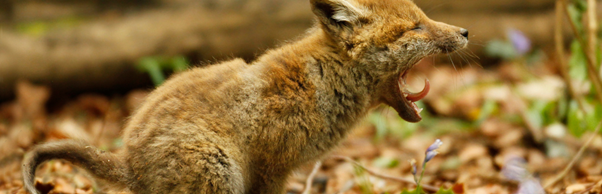
    Wildlife can be hard to spot, especially if they just come out at night, so droppings are a good way to find out who'se been visiting your garden at night, or your neighbourhood.   Can you guess with this quiz whose poo belongs to who?   

    Give it a go!   Take the wildlife poo quiz here

    And take actions to help nature, such as recycling your Christmas tree or feeding the birds - or just look out of the window and watch the stars!    Find out more about it here.

    Image of the fox copyright London Wildlife Trust